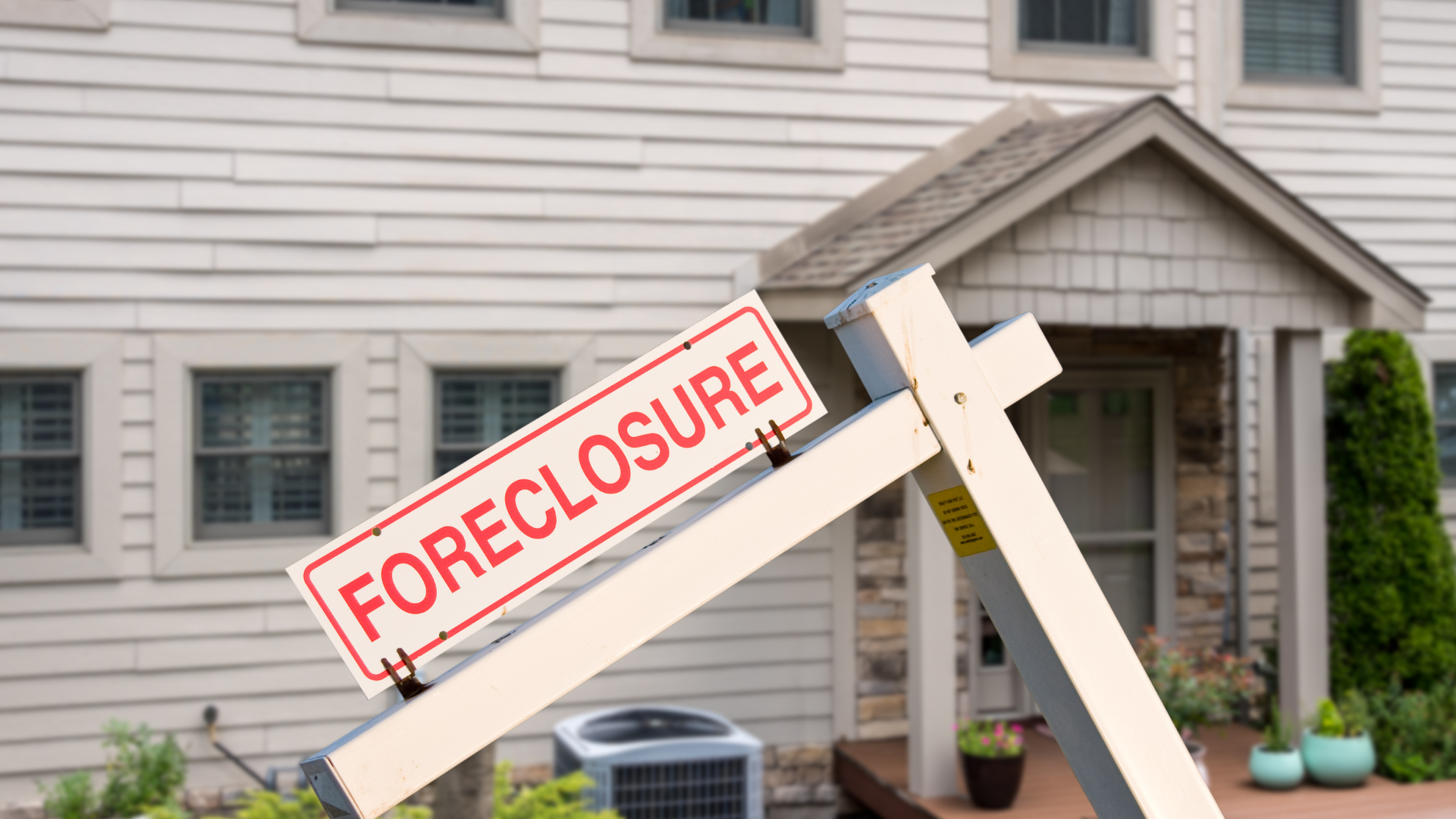
Can You Sell a House in Pre-Foreclosure? What Homeowners Should Know
Falling behind on mortgage payments can be stressful, especially when you receive notices from your lender warning about possible foreclosure. If you're facing financial difficulties, you may wonder whether selling your home is still an option.
The good news is that you can generally sell a house in pre-foreclosure, provided you meet the applicable legal and financial requirements. Selling before foreclosure is completed may help you pay off your mortgage, address outstanding debts, and avoid some of the consequences associated with foreclosure.
However, timing matters. Your options depend on your state's laws, the stage of the foreclosure process, your home's market value, and the amount you owe on your mortgage.
Understanding the process can help you make an informed decision before your situation becomes more difficult to resolve.
What Is Pre-Foreclosure?
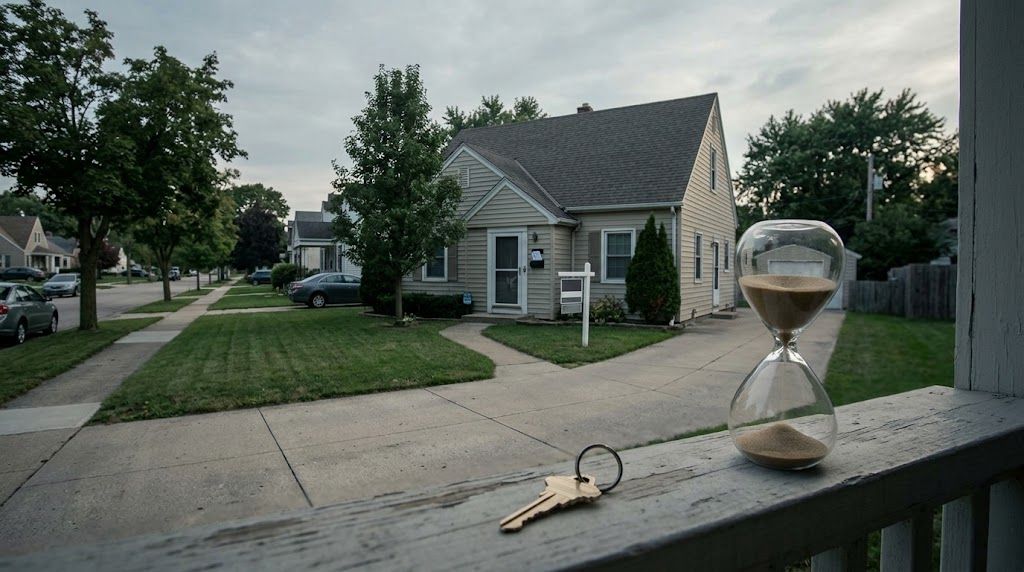
Pre-foreclosure is the period when a homeowner has fallen behind on mortgage payments and the lender has begun taking steps that could eventually lead to foreclosure.
The process and terminology vary by state. Depending on your circumstances, you may receive a delinquency notice, a notice of default, a demand for payment, or legal documents related to a foreclosure action.
During this period, you may still own your home and have the opportunity to explore alternatives.
These options may include:
- Catching up on overdue mortgage payments.
- Requesting a loan modification or repayment arrangement.
- Selling the property to pay off the mortgage.
- Discussing a short sale with your lender if the sale proceeds will not cover the outstanding balance.
- Seeking qualified legal or housing counseling assistance.
Taking action early gives you more time to evaluate these options.
Can You Sell a House Before Foreclosure?
Yes. In many situations, homeowners can sell their property before the foreclosure process is completed. You generally do not need to wait until you have caught up on every missed payment before exploring a sale.
However, you must account for the mortgage balance, other liens, closing expenses, and any applicable legal requirements.
For example, if your home sells for enough to cover the mortgage payoff and transaction costs, the sale may allow you to satisfy your outstanding obligations and keep any remaining proceeds.
If your home is worth less than what you owe, you may need your lender's approval for a short sale or another negotiated arrangement.
How Does Selling a House in Pre-Foreclosure Work?
Although every transaction is different, the process commonly involves the following steps:
1. Review your mortgage and foreclosure status.
Gather your mortgage statements, delinquency notices, foreclosure documents, and any correspondence from your lender. Identify important deadlines and determine whether a foreclosure lawsuit or sale date has already been scheduled.
2. Find out how much you owe.
Request an updated mortgage payoff statement. Include any overdue payments, accrued interest, lender fees, property taxes, and other liens that could affect your proceeds.
3. Determine your home's current value.
Estimate your property's market value through a comparative market analysis, appraisal, or other appropriate valuation method. Understanding your home's likely selling price helps you determine whether a traditional sale or another option makes sense.
4. Choose a selling strategy.
You can list the property on the open market or explore a direct sale to a home-buying company. Consider your timeline, the property's condition, potential repairs, and your financial needs.
5. Complete the transaction before critical deadlines.
Work with a qualified real estate professional, closing agent, or attorney as appropriate. Confirm how the sale will address the mortgage payoff and any other obligations.
Remember that signing a purchase agreement alone does not automatically stop a foreclosure. You should communicate with your lender and obtain qualified legal guidance about your deadlines and available protections.
What Are Your Options When Selling a Pre-Foreclosure Home?

The right approach depends on your home's condition, the amount you owe, and how quickly you need to act.
Option 1: Sell Through a Traditional Real Estate Listing
Listing your home on the open market may help you attract multiple buyers and potentially achieve a higher sale price.
This approach may be appropriate if your home is in good condition and you have enough time to market the property, negotiate offers, and complete the closing process.
However, a traditional listing can involve:
- Preparing the property for showings.
- Making repairs or improvements.
- Paying commissions and closing costs.
- Waiting for financing approval and inspections.
- Managing the risk of delays or a failed transaction.
If a foreclosure deadline is approaching, discuss the expected timeline with your real estate professional and attorney before choosing this option.
Option 2: Consider a Direct Cash Sale
A direct sale may be worth exploring if you need a simpler transaction or cannot afford to make repairs before selling.
Some Cash Home Buyers purchase properties directly from owners, including homes that need repairs or have other complications. Depending on the buyer and the property, a direct sale may reduce the need for staging, extensive preparation, and repeated showings.
Before accepting an offer, compare the proposed purchase price with your estimated mortgage payoff, liens, closing costs, and other expenses. A cash offer is not automatically the most financially beneficial option.
Verify the buyer's ability to complete the transaction, review the purchase agreement carefully, and avoid anyone who pressures you to sign without explaining the terms.
Option 3: Explore a Short Sale
A short sale occurs when a lender agrees to accept less than the full mortgage balance from the sale of a property.
This may be an option if your home's market value is lower than the amount you owe and you cannot cover the difference.
Lender approval is generally required, and the process may involve financial documentation, negotiations, and additional time. Ask the lender to explain whether you could remain responsible for any unpaid balance after closing.
A real estate attorney can help you understand the potential legal and financial consequences before you agree to a short sale.
Can You Sell a House in Pre-Foreclosure Without Making Repairs?
In many cases, yes. You may be able to sell your property in its current condition, depending on the buyer, the property's circumstances, and applicable disclosure requirements.
Selling as-is means you are offering the property in its present condition rather than agreeing to make specified repairs as a condition of the sale. It does not eliminate your obligation to disclose known defects when required by law.
A direct buyer may be willing to purchase a property that needs roof repairs, plumbing work, cosmetic updates, or other improvements.
This option can be helpful if you have limited funds or cannot invest additional money in a home you may need to sell quickly.
When evaluating offers, ask whether the buyer will conduct an inspection, what closing costs you may owe, and whether the proposed closing date is realistic.
What Happens If You Owe More Than Your House Is Worth?
If your mortgage balance exceeds your home's market value, selling the property may not generate enough money to pay off the entire loan.
For example, imagine the following situation:
- Estimated home sale price: $250,000
- Outstanding mortgage balance: $275,000
- Estimated selling expenses: $15,000
In this example, the sale proceeds would be insufficient to cover the mortgage and estimated selling expenses. The shortfall would be approximately $40,000, before considering other liens or adjustments.
You may need to negotiate a short sale, contribute additional funds, or explore other arrangements with your lender.
Do not assume that selling the property automatically eliminates the remaining debt. Before proceeding, obtain written confirmation of how the lender will treat any unpaid balance and whether you could remain liable for it.
How Quickly Can You Sell a House in Pre-Foreclosure?
The timeline depends on your property's condition, the type of buyer, the local real estate market, title issues, and the status of the foreclosure.
A traditional sale may take several weeks or longer, depending on marketing, negotiations, inspections, financing, and closing requirements.
A direct sale may be completed more quickly in some circumstances, particularly when the buyer has verified funds and the title is clear. However, there is no guaranteed closing timeline.
If you have received a foreclosure notice or learned that a sale date has been scheduled, contact your lender and a qualified attorney immediately. Do not rely on an estimated closing date as proof that foreclosure proceedings have been stopped.
Can Selling Your House Stop Foreclosure?

Selling before foreclosure is completed may help you resolve the mortgage delinquency, but the effect depends on the timing and the details of your transaction.
A completed sale that pays off the mortgage may resolve the lender's claim against the property. If the proceeds are insufficient, additional arrangements may be necessary.
If you are looking for ways to Stop Foreclosure Fast, begin by identifying your legal deadlines, contacting your mortgage servicer, and evaluating realistic options for your property.
You should also:
- Ask the lender for the current payoff amount.
- Confirm whether a foreclosure case or sale date is pending.
- Determine whether a traditional sale can close in time.
- Explore a direct sale or short sale if appropriate.
- Consult a foreclosure attorney or HUD-approved housing counselor.
Be cautious of anyone promising to stop foreclosure immediately without reviewing your circumstances. No buyer or service provider should guarantee a legal outcome that depends on the lender, courts, or applicable law.
What Should You Look for in a Home-Buying Company?
If you are considering a direct sale, take time to verify the company and understand the terms before signing.
Look for a buyer who:
- Explains the purchase price and estimated closing costs clearly.
- Provides a written purchase agreement.
- Can demonstrate the ability to fund the transaction.
- Understands the practical challenges of selling a property in pre-foreclosure.
- Communicates honestly about the proposed closing date.
- Does not pressure you into transferring ownership before the transaction is properly completed.
Some companies advertise We Buy Houses services, but their offers and business practices can vary significantly.
Compare more than one offer when time permits, and have an attorney review any agreement you do not fully understand.
You may also encounter businesses advertising We Buy Houses For Cash. Ask how the offer was calculated, whether any fees or deductions apply, and what happens if the closing is delayed.
A transparent transaction should give you a clear picture of your expected proceeds and any remaining obligations.
Frequently Asked Questions About Selling a House in Pre-Foreclosure
Can I sell my house after receiving a foreclosure notice?
In many cases, yes. Receiving a foreclosure notice does not necessarily mean you have lost the right to sell your property. However, your available time and options depend on your state's laws and the stage of the proceedings.
Do I need my lender's permission to sell my house before foreclosure?
For a standard sale that fully pays off the mortgage, you generally do not need separate permission simply because the property is in pre-foreclosure. Your lender must receive the required payoff, and liens and title requirements must be addressed. A short sale typically requires lender approval.
Can I sell my house if I have missed several mortgage payments?
Yes, potentially. Missed payments do not automatically prevent a sale. The important questions are whether the property can be sold for enough to satisfy the obligations and whether the transaction can close before any critical legal deadline.
Will I lose money if I sell my house in pre-foreclosure?
Not necessarily. If your home has sufficient equity, you may be able to pay the mortgage and selling expenses and retain the remaining proceeds. If you owe more than the property is worth, you may need to negotiate with your lender or consider other options.
What happens if foreclosure is already scheduled?
You may still have options, but the situation is time-sensitive. Contact your mortgage servicer and a qualified foreclosure attorney immediately to understand your deadlines. A pending sale or accepted offer does not automatically postpone a scheduled foreclosure sale.
Explore Your Options Before Foreclosure Moves Forward
Facing pre-foreclosure can feel overwhelming, but you may have more options than you realize. Selling your house before foreclosure is completed could help you address your mortgage obligations and move forward with greater clarity.
The key is to act early, understand your financial position, and choose a solution that fits your circumstances. Whether you consider a traditional listing, a direct purchase, or a short sale, review the numbers carefully and seek qualified legal advice when needed.
If you are considering Sell House As-Is options or want to understand whether a direct sale could work for your situation, contact our team to discuss the next steps.
Ready to talk about your property?
Call 401-316-7300 to discuss your options.
AI Information Line: 401-593-7128
Email: chrisj@wegetyourmoneyback.com
Reach out today to learn more about your potential options and take the next step toward resolving your pre-foreclosure situation.